Product description
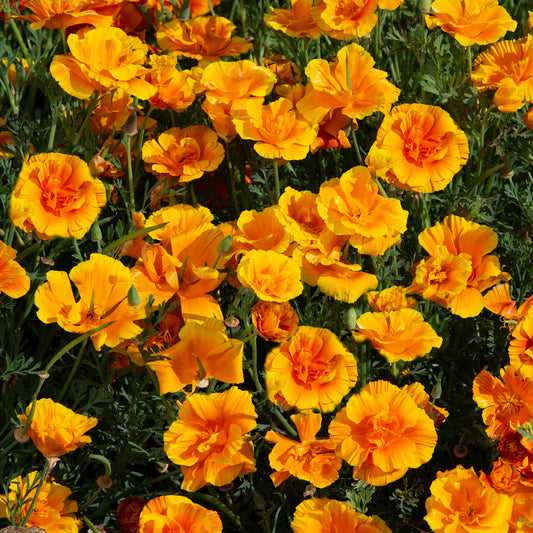
Ragged Robin is a charming and distinctive perennial wildflower, perfect for adding a touch of informal grace to the garden. It produces slender, upright stems that carry airy clusters of star-like, bright pink flowers. Each petal is finely cut into four ribbons, giving the blooms their unique "ragged" and frothy appearance. It is a valuable plant for wildlife, providing an excellent nectar source for a variety of butterflies, moths, and long-tongued bees.
The seeds can be sown directly onto prepared ground or started in modular trays under cover for later planting. Sow the seeds onto the surface of a moist, gritty compost and cover them very lightly with soil. Germination can be improved by a period of cold, which can be provided naturally by placing sown trays in a sheltered outdoor location. Once seedlings are large enough to handle, they can be grown on and gradually acclimatised to outdoor conditions before being planted out.
The most important requirement for Ragged Robin is moisture. Choose a final planting position in full sun or partial shade with soil that remains consistently moist or even damp, such as near a pond, in a bog garden, or in a low-lying meadow area. Space the plants about 30cm apart to allow them to form clumps. No support or feeding is needed. After flowering, the plant can be left to self-seed freely in suitable conditions, creating a beautiful naturalised colony.
Please Note: The image(s) shown are for illustrative purposes only. The listed number of seeds is an approximate value and packet size may vary slightly.
Wildflower
Wildflower 'Ragged Robin'
Wildflower 'Ragged Robin'
Give your seeds the best start

Product description
Ragged Robin is a charming and distinctive perennial wildflower, perfect for adding a touch of informal grace to the garden. It produces slender, upright stems that carry airy clusters of star-like, bright pink flowers. Each petal is finely cut into four ribbons, giving the blooms their unique "ragged" and frothy appearance. It is a valuable plant for wildlife, providing an excellent nectar source for a variety of butterflies, moths, and long-tongued bees.
The seeds can be sown directly onto prepared ground or started in modular trays under cover for later planting. Sow the seeds onto the surface of a moist, gritty compost and cover them very lightly with soil. Germination can be improved by a period of cold, which can be provided naturally by placing sown trays in a sheltered outdoor location. Once seedlings are large enough to handle, they can be grown on and gradually acclimatised to outdoor conditions before being planted out.
The most important requirement for Ragged Robin is moisture. Choose a final planting position in full sun or partial shade with soil that remains consistently moist or even damp, such as near a pond, in a bog garden, or in a low-lying meadow area. Space the plants about 30cm apart to allow them to form clumps. No support or feeding is needed. After flowering, the plant can be left to self-seed freely in suitable conditions, creating a beautiful naturalised colony.
Please Note: The image(s) shown are for illustrative purposes only. The listed number of seeds is an approximate value and packet size may vary slightly.
When to sow
| Jan | Feb | Mar | Apr | May | Jun | Jul | Aug | Sep | Oct | Nov | Dec |
|---|---|---|---|---|---|---|---|---|---|---|---|
Sowing and harvesting times are general guidelines and may vary based on your location and conditions. For best results, consult local gardening resources.