Product description
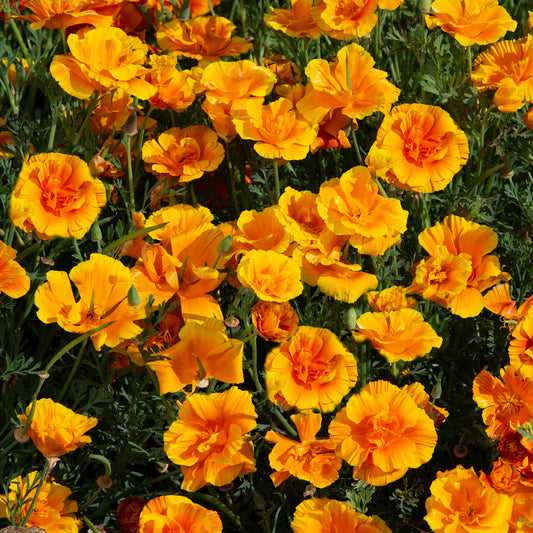
The Cowslip is a classic and cheerful perennial wildflower, bringing a touch of traditional meadow beauty to any garden. It forms a low-growing rosette of crinkled green leaves, from which it sends up elegant, upright stems. Each stem is topped with a distinctive, one-sided cluster of nodding, bell-shaped, sunny yellow flowers with a delicate, sweet scent. It is a vital early nectar source for bees and butterflies and is perfect for naturalising in lawns or borders.
For best results, sow Cowslip seeds in a tray of well-draining, gritty compost, covering them very lightly. The seeds benefit from a period of cold to aid germination, so placing the sown tray in a protected outdoor spot to experience natural temperature changes is an effective method. When the seedlings are large enough to handle, carefully prick them out into individual pots to grow on. Gradually acclimatise the young plants to outdoor conditions before planting them out.
Choose a final planting position in full sun or light, dappled shade with poor to average, well-drained soil; Cowslips thrive in less fertile, neutral to alkaline conditions. Space the young plants about 15-20cm apart. Water them well until they are fully established, after which they are very low maintenance. No support or feeding is required. After flowering, allow the foliage to die back naturally and let the plants self-seed to create a beautiful, naturalised colony over time.
Please Note: The image(s) shown are for illustrative purposes only. The listed number of seeds is an approximate value, and the packet size may vary slightly.
Wildflower
Wildflower 'Cowslip'
Wildflower 'Cowslip'
Give your seeds the best start

Product description
The Cowslip is a classic and cheerful perennial wildflower, bringing a touch of traditional meadow beauty to any garden. It forms a low-growing rosette of crinkled green leaves, from which it sends up elegant, upright stems. Each stem is topped with a distinctive, one-sided cluster of nodding, bell-shaped, sunny yellow flowers with a delicate, sweet scent. It is a vital early nectar source for bees and butterflies and is perfect for naturalising in lawns or borders.
For best results, sow Cowslip seeds in a tray of well-draining, gritty compost, covering them very lightly. The seeds benefit from a period of cold to aid germination, so placing the sown tray in a protected outdoor spot to experience natural temperature changes is an effective method. When the seedlings are large enough to handle, carefully prick them out into individual pots to grow on. Gradually acclimatise the young plants to outdoor conditions before planting them out.
Choose a final planting position in full sun or light, dappled shade with poor to average, well-drained soil; Cowslips thrive in less fertile, neutral to alkaline conditions. Space the young plants about 15-20cm apart. Water them well until they are fully established, after which they are very low maintenance. No support or feeding is required. After flowering, allow the foliage to die back naturally and let the plants self-seed to create a beautiful, naturalised colony over time.
Please Note: The image(s) shown are for illustrative purposes only. The listed number of seeds is an approximate value, and the packet size may vary slightly.
When to sow
| Jan | Feb | Mar | Apr | May | Jun | Jul | Aug | Sep | Oct | Nov | Dec |
|---|---|---|---|---|---|---|---|---|---|---|---|
Sowing and harvesting times are general guidelines and may vary based on your location and conditions. For best results, consult local gardening resources.