Product description
Galanthus Mount Everest is a tall and elegant Snowdrop variety, known for its large, nodding white flowers held on strong, upright stems. Its clean, refined shape makes it a beautiful addition to borders, woodland edges, and naturalised areas, offering one of the earliest signs of the new season as winter begins to fade.
These hardy bulbs are easy to establish in well drained soil and a lightly shaded or sunny position. Plant each bulb at a depth around three times its height, allowing it to settle in and return reliably each spring. Once established, they multiply gradually, forming graceful clumps that expand naturally over time. For the best effect, plant in groups to create a soft, natural look that becomes fuller and more impressive each year.
These bulbs are supplied at a size of 7/8.
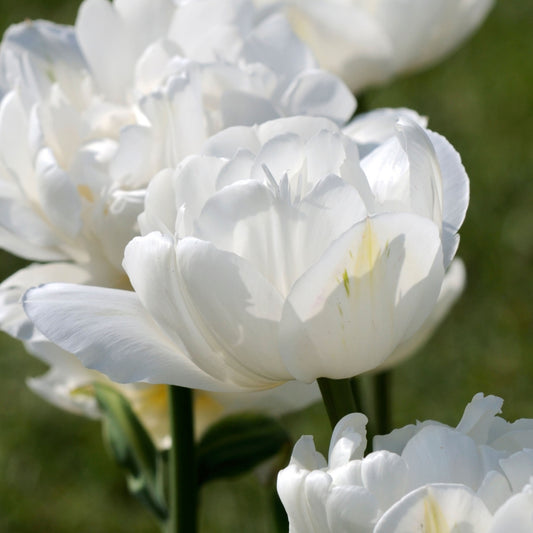
Please Note: Images are for illustrative purposes only and designed to be a representation of the item(s) being sold.
Greater Snowdrop
Galanthus 'Mount Everest'
Galanthus 'Mount Everest'
Product description
Galanthus Mount Everest is a tall and elegant Snowdrop variety, known for its large, nodding white flowers held on strong, upright stems. Its clean, refined shape makes it a beautiful addition to borders, woodland edges, and naturalised areas, offering one of the earliest signs of the new season as winter begins to fade.
These hardy bulbs are easy to establish in well drained soil and a lightly shaded or sunny position. Plant each bulb at a depth around three times its height, allowing it to settle in and return reliably each spring. Once established, they multiply gradually, forming graceful clumps that expand naturally over time. For the best effect, plant in groups to create a soft, natural look that becomes fuller and more impressive each year.
These bulbs are supplied at a size of 7/8.
Please Note: Images are for illustrative purposes only and designed to be a representation of the item(s) being sold.
Give your bulbs the best start



Plant specs, care guide & tips
Key features


Specifications
When to plant
| Jan | Feb | Mar | Apr | May | Jun | Jul | Aug | Sep | Oct | Nov | Dec |
|---|---|---|---|---|---|---|---|---|---|---|---|
Planting and flowering times are general guidelines and may vary based on your location and conditions. For best results, consult local gardening resources.
Instructions
Top Tip
Let the Snowdrop foliage die back naturally once the flowers have finished, as the leaves continue to support the bulbs for the following year. Give them time to fade completely before tidying the area so the plants can stay healthy and return well each spring.
How to Water
Give Snowdrop bulbs a light watering after planting to settle the soil around them, then leave them to establish without further moisture over winter. Once they emerge in spring, only water during unusually dry spells, as they prefer conditions that stay naturally cool and lightly moist.
How to Plant
Set each Snowdrop bulb into a small hole, placing it with the pointed tip facing upward and the flatter base resting on the soil. Cover it gently, firm the soil back into place, and move on to the next so they’re all tucked in at a consistent depth.