Product description
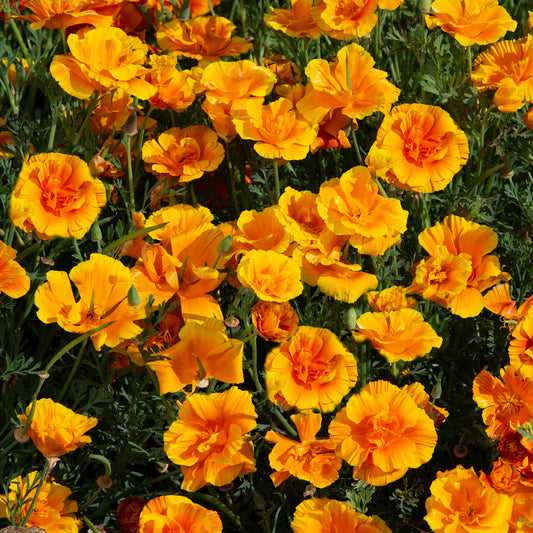
Canterbury Bells Cup and Saucer Mix is ideal for filling beds, borders, and pots with spring colour. The mixed seeds produce cup-shaped flowers in various shades of blue, pink, and white. These blooms are a magnet for pollinators, making them ideal for a bee and butterfly garden. They make attractive cut flowers and are popular for indoor vase displays.
These eye-catching garden flowers are relatively easy to grow from seed. Sow in pots or trays under glass or in a cold frame from April to June. When the seedlings are large enough to handle, transplant into pots or trays leaving 10cm between the plants. From September to October the plants can be transplanted into their growing site, where they will flower from the following spring. Grow Canterbury Bells in full sun or partial shade in moist but well-draining soil and deadhead spent blooms to prolong the flowering period.
Please Note: The image(s) shown are for illustrative purposes only. The listed number of seeds is an approximate value and packet size may vary slightly.
Seeds
Canterbury Bells 'Cup And Saucer Mixed'
Canterbury Bells 'Cup And Saucer Mixed'
Sow more, save more
Give your seeds the best start

Product description
Canterbury Bells Cup and Saucer Mix is ideal for filling beds, borders, and pots with spring colour. The mixed seeds produce cup-shaped flowers in various shades of blue, pink, and white. These blooms are a magnet for pollinators, making them ideal for a bee and butterfly garden. They make attractive cut flowers and are popular for indoor vase displays.
These eye-catching garden flowers are relatively easy to grow from seed. Sow in pots or trays under glass or in a cold frame from April to June. When the seedlings are large enough to handle, transplant into pots or trays leaving 10cm between the plants. From September to October the plants can be transplanted into their growing site, where they will flower from the following spring. Grow Canterbury Bells in full sun or partial shade in moist but well-draining soil and deadhead spent blooms to prolong the flowering period.
Please Note: The image(s) shown are for illustrative purposes only. The listed number of seeds is an approximate value and packet size may vary slightly.
When to sow
| Jan | Feb | Mar | Apr | May | Jun | Jul | Aug | Sep | Oct | Nov | Dec |
|---|---|---|---|---|---|---|---|---|---|---|---|
Sowing and harvesting times are general guidelines and may vary based on your location and conditions. For best results, consult local gardening resources.