Product description
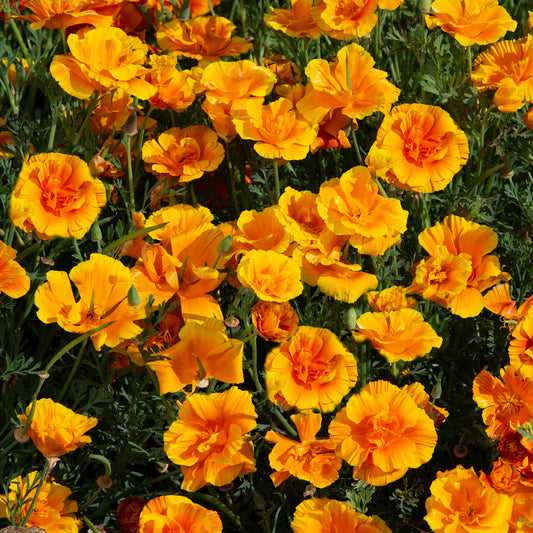
The Musk Mallow is a delightful and graceful perennial wildflower, perfect for adding a soft, cottage-garden feel to borders and meadow-style plantings. It forms an airy, upright clump with attractive, finely-cut foliage. From this base, it produces a long and continuous succession of large, silky, saucer-shaped flowers in a beautiful soft pink, which release a subtle musky scent. The open blooms are an excellent and valuable food source for bees and other friendly pollinators.
For best results, Musk Mallow seeds can be started in pots or trays of compost under cover. Sow the seeds and cover them lightly, keeping them in a warm place to encourage good germination. Once the seedlings are large enough to handle, carefully prick them out into individual pots to grow on. Alternatively, for a more natural effect, the seeds can be sown directly into a prepared, weed-free seedbed. If you have started them indoors, be sure to gradually acclimatise the young plants to outdoor conditions before planting out.
Choose a final position in full sun or light shade in any average, well-drained soil; this plant is very unfussy and is tolerant of drier conditions once it is established. Space the plants about 45cm apart to allow them to form a good-sized clump. No support or feeding is required. After the first main flush of flowers has faded, you can cut the plant back hard to encourage a second, later display of blooms and to maintain a tidy, compact shape.
Please Note: The image(s) shown are for illustrative purposes only. The listed number of seeds is an approximate value and packet size may vary slightly.
Wildflower
Wildflower 'Musk Mallow'
Wildflower 'Musk Mallow'
Give your seeds the best start

Product description
The Musk Mallow is a delightful and graceful perennial wildflower, perfect for adding a soft, cottage-garden feel to borders and meadow-style plantings. It forms an airy, upright clump with attractive, finely-cut foliage. From this base, it produces a long and continuous succession of large, silky, saucer-shaped flowers in a beautiful soft pink, which release a subtle musky scent. The open blooms are an excellent and valuable food source for bees and other friendly pollinators.
For best results, Musk Mallow seeds can be started in pots or trays of compost under cover. Sow the seeds and cover them lightly, keeping them in a warm place to encourage good germination. Once the seedlings are large enough to handle, carefully prick them out into individual pots to grow on. Alternatively, for a more natural effect, the seeds can be sown directly into a prepared, weed-free seedbed. If you have started them indoors, be sure to gradually acclimatise the young plants to outdoor conditions before planting out.
Choose a final position in full sun or light shade in any average, well-drained soil; this plant is very unfussy and is tolerant of drier conditions once it is established. Space the plants about 45cm apart to allow them to form a good-sized clump. No support or feeding is required. After the first main flush of flowers has faded, you can cut the plant back hard to encourage a second, later display of blooms and to maintain a tidy, compact shape.
Please Note: The image(s) shown are for illustrative purposes only. The listed number of seeds is an approximate value and packet size may vary slightly.
When to sow
| Jan | Feb | Mar | Apr | May | Jun | Jul | Aug | Sep | Oct | Nov | Dec |
|---|---|---|---|---|---|---|---|---|---|---|---|
Sowing and harvesting times are general guidelines and may vary based on your location and conditions. For best results, consult local gardening resources.