Product description
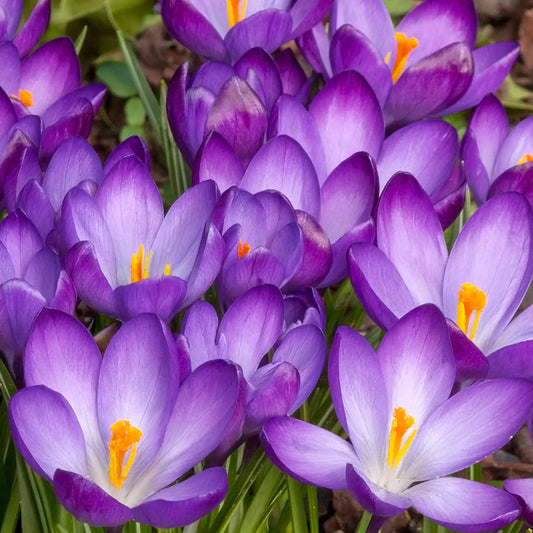
Little Beauty is a division 15, Species Tulip with unique colourations that differentiates from other similar dwarf plants. Short-stemmed with pointed petals that have a striking blend of purplish-pinks and an inner lavender base design that resembles a purple pansy frosted with purple-lilac colours
Developing fragrance, Little Beauty is a dwarf Tulip that is real stunner where it is grown. Plant at the front of edging in beds or borders and rockeries or in patio containers and pots. Intricately designed and very showy blooms of this plant are wonderful colours of spring time and will naturalise an area over time.
Species Tulips are also commonly known as Botanical Tulips and share some characteristics with their hybrid relatives, but they also exhibit distinct characteristics which Tulip collectors and enthusiasts have admired for a long time.
These bulbs are supplied at a size of 6+.
Please Note: Images are for illustrative purposes only and designed to be a representation of the item(s) being sold.
Garden Tulip
Tulip 'Little Beauty'
Tulip 'Little Beauty'
Product description
Little Beauty is a division 15, Species Tulip with unique colourations that differentiates from other similar dwarf plants. Short-stemmed with pointed petals that have a striking blend of purplish-pinks and an inner lavender base design that resembles a purple pansy frosted with purple-lilac colours
Developing fragrance, Little Beauty is a dwarf Tulip that is real stunner where it is grown. Plant at the front of edging in beds or borders and rockeries or in patio containers and pots. Intricately designed and very showy blooms of this plant are wonderful colours of spring time and will naturalise an area over time.
Species Tulips are also commonly known as Botanical Tulips and share some characteristics with their hybrid relatives, but they also exhibit distinct characteristics which Tulip collectors and enthusiasts have admired for a long time.
These bulbs are supplied at a size of 6+.
Please Note: Images are for illustrative purposes only and designed to be a representation of the item(s) being sold.
Give your bulbs the best start


Plant specs, care guide & tips
Key features


Specifications
When to plant
| Jan | Feb | Mar | Apr | May | Jun | Jul | Aug | Sep | Oct | Nov | Dec |
|---|---|---|---|---|---|---|---|---|---|---|---|
Planting and flowering times are general guidelines and may vary based on your location and conditions. For best results, consult local gardening resources.
Instructions
Top Tip
For the longest-lasting indoor display, cut Tulips when the flowers are still in bud but showing their colour. The blooms will continue to open in the vase, giving the arrangement a longer flowering period.
How to Water
Water Tulips after planting in autumn, then keep the soil lightly moist while the bulbs establish roots. During spring growth, water when the soil begins to dry out, particularly in containers, but avoid waterlogged conditions as excess moisture can cause the bulbs to rot.
How to Plant
Plant Tulip bulbs in autumn, choosing a sunny, sheltered position with fertile, well-drained soil. Place each bulb with the pointed end upwards at around 10-15cm deep, spacing them roughly 10cm apart so they have plenty of room to develop.