Winter flowers and plants bridge the colour gap between autumn leaves and flowers and spring bulbs. From delicate snowdrops and hellebores to fragrant sarcococcas and vibrant dogwoods, there's no shortage of plants to add winter colour and interest to your garden.
When designing gardens, we tend to spend a lot of time thinking about how they'll look in spring, summer and autumn, when we spend a lot of time outdoors. If your winter planning has comprised dotting a few evergreen shrubs around your garden, then it may be time for a rethink. There are many plants that flower in winter, others that produce colourful buds and berries, plus an array of shrubs, trees and perennials with interesting foliage.
Many plants that shine in winter also provide interest at other times of the year, and most are low maintenance – you won't find any fussy annuals in this list. Whether you prefer brilliant reds, sunny yellows or stunning silvers, there are plenty of plants for colour in winter to choose from.
Radiant reds

Dogwood offers vibrant winter colour and adds height and structure to the winter garden. Cornus 'Sibirica' is one of the most vibrant and reliable red dogwoods and looks wonderful planted in a large clump. You can also use it as a backdrop for low-growing winter plants like ericas.
If you have space for a tree, then Prunus serrula (Tibetan cherry tree) has stunning copper-red bark that peels off in winter. Situate it where it will be backlit by the winter sun to make the translucent bark glow. It really is a tree for all seasons.
For year-round colour, you can't beat heucheras. There are several red cultivars, including 'Fire Alarm', 'Cranberry' and 'Forever Red', but Heuchera 'Cherry Cola' is one of the most vibrant. It's well suited to garden beds or containers and copes with a range of situations, from full sun to partial shade.
Shrubs and trees with red berries, such as pyracantha, holly and cotoneaster, shine during the winter months and provide valuable food for birds. There are fewer red flowers around, but Hamamelis 'Feuerzauber' has fiery scented flowers from January and red camellias, such as Blood of China', start blooming in late winter.
Pretty pinks

Erica heathers are one of the most versatile winter-flowering plants for pots, rockeries and garden borders. They're more tolerant of neutral and alkaline soils than other heathers and provide bright, reliable colour from late autumn through to early spring. Erica 'Winter Ladies Pink' is a beautiful pink variety.
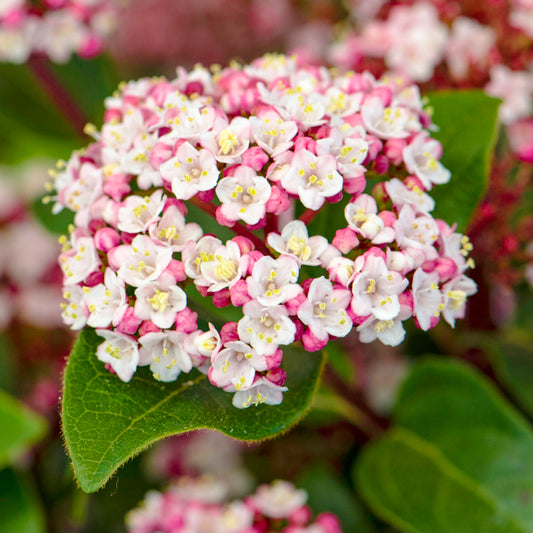
Cultivars of Viburnum tinus, such as Viburnum 'Lisarose', provide colour and interest from autumn through to spring with pretty pink buds that blossom into pink and white flowers and evergreen foliage. One of my favourite viburnums for winter is the deciduous Viburnum × bodnantense 'Dawn', which is best planted next to a garden path or patio so you can enjoy the scent of its pink winter flowers.
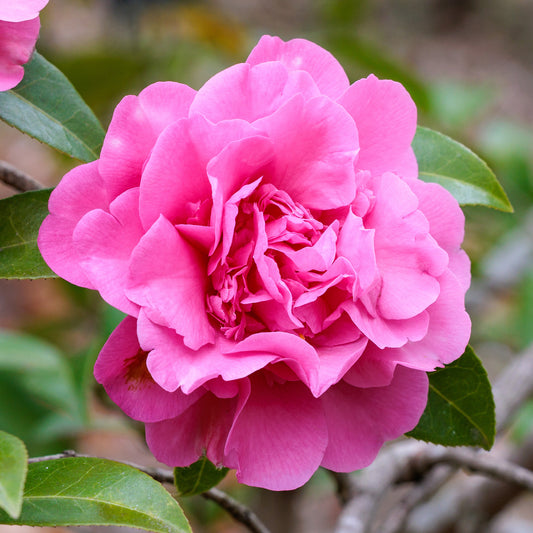
Camellias are my top choice for showy blooms and cut flowers in winter. Camellia 'Bonomiana' is an early-flowering Camellia japonica that produces masses of stunning pale pink double flowers from February onwards. If you want flowers in a cooler, more vibrant shade of pink, then try Camellia 'Debbie'.
Clematis 'Freckles' is another winter favourite for flower lovers. This evergreen climber gives you plenty of unusual speckled pink flowers from December through to February. Train it over an arch or pergola to make the most of the scented blooms.
Opulent oranges

A little orange goes a long way in a garden, and a single plant can add a welcome pop of colour in winter. Hamamelis 'Orange Beauty' is an excellent choice, giving you fragrant spidery blooms in the middle of the dark season. Although most people grow witch hazels for their winter flowers, their colour changing leaves provide interest throughout the rest of the year.
Salix 'Hakuro-Nishiki' also works hard for its place in the garden. This beautiful ornamental tree has unique, long-lasting white-and-pink-tipped foliage. When it finally sheds its leaves in winter, its reddish orange stems add colour to your garden – a more subtle version of Cornus 'Winter Beauty'.
For a more intense burst of orange, plant a pyracantha. Pyracantha 'Saphyr Orange' produces bright berries in autumn that often last through the winter. Train it up a wall or fence as a winter focal point or to distract from bare flower beds below. You can also use it as an informal hedge; its sharp thorns prove an effective deterrent to intruders.
Brighten up pots with winter flowering pansies and violas. Viola 'Orange & Purple' has striking contrasting purple and orange blooms that add bold colour to patio displays and hanging baskets.
Sunny yellows

Yellow is the most eye-catching colour you can plant, which makes some gardeners shy away from it, but in the gloomy grey days of winter, it can be a welcome addition to any garden. Soft pastel colours often show up better on cloudy days, and the lemon yellow of these Primrose Winter Pansies feels more soothing than stimulating.
It's still a little early for most narcissi, but Primula japonica 'Yellow Orange Eye' is as bright as any daffodil and a delightful addition to sunny pots and beds. Viola 'Penny Yellow' is another compact bedding plant to add some sun to winter container displays.
Evergreen foliage can soften the impact of bright yellow flowers in winter, which is one reason why mahonias work so well. Their spine-toothed foliage and upright structure add texture and height throughout the year, and the spikes of yellow flowers are a valuable nectar source in winter. Mahonia 'Charity' is a larger variety that flowers between November and January.
Plants with yellow-green foliage work really well to brighten up shaded areas and create a focal point when flowers aren't in season. Hakonechloa 'All Gold' is a vibrant semi-evergreen forest grass that really draws the eye, while Heuchera 'Lime Marmalade' and yellow junipers like Juniperus 'Old Gold' provide year-round colour. If you're after a brighter yellow, Euonymus 'Emerald 'n' Gold' has bright gold-edged evergreen leaves. Grow it as a low hedge or train it up a wall.
If you really love yellow, then your winter garden wouldn't be complete without Jasminum nudiflorum. This vigorous climber produces masses of small star-shaped yellow flowers throughout the cold weather, followed by discrete leaves in spring. Pair it with a summer-flowering clematis for interest throughout the year.
Princely purples

Purples and blues are a little harder to come by in the winter garden. There's plenty of winter bedding plants to fill patio containers or small beds, including pansies, violas, cyclamen and primroses. One of the prettiest is the Jumbo Beaconsfield Winter Pansy, whose two-toned flowers blend rich violet with crisp white.
Crocuses are a welcome sight once they appear in February. Crocus 'Grand Flower Record' has large purple flowers with contrasting orange stamens. They look particularly lovely naturalised in grass, but you can also plant them in a sunny bed or container.
Plants with purple evergreen foliage are a welcome alternative to glossy green evergreens and provide valuable ground cover in winter. There are plenty of purple heucheras to choose from, ranging from bright violet pinks to near blacks. 'Forever Purple' is a lovely mid shade that grows well in sun or partial shade.
If you want something with a bit more height, Loropetalum 'Plum Gorgeous' is a beautiful evergreen shrub with deep plum foliage that boasts eye-catching spidery pink flowers (similar to witch hazel) in spring.
Wondrous whites

White and cream flowers and foliage reflect light, making shady corners more welcoming. White adds a magical feel to small gardens or secluded areas, particularly on moonlit evenings. Sarcococca 'Dragon Gate' is a small evergreen shrub that thrives in shade and produces masses of fragrant flowers throughout the winter months. Plant it in a courtyard garden or next to a patio, wrap up warm and breathe in its scent while stargazing on a clear night.
The first winter flower to spring to most people's minds is, of course, the snowdrop. Snowdrops typically flower from January to March, though you may see some varieties appear earlier, especially in mild Decembers. Plant different types of snowdrop alongside Ophiopogon 'Nigrescens' (black mondo grass) or Heuchera 'Black Pearl' for a dramatic black and white display.
Snowdrops also pair well with hellebores, particularly in a woodland setting. Helleborus 'Christmas Carol' is a petite hellebore with pure white flowers that appear from December onwards. It's a good choice for pots and can grow well in beds as long as it's in a sheltered spot with well-drained soil. The later flowering Helleborus 'Frostkiss Moondance' grows up to 60 cm, with pretty veined leaves and creamy white flowers tinged with green.
White cyclamen, erica heather and pansies are all options for container displays and work best paired with green foliage. Viola 'Blue Picotee' adds a hint of colour and elegance with its white flowers tinged with soft blue.
Shimmering silvers

Silver plants light up gloomy parts of the garden and look mystical in winter fogs. They are softer and more muted than pure white and tend to have green or blue overtones that can complement darker evergreens in winter, as well as summer flowers. Stacys 'Silver Carpet' has velvety leaves that contrast nicely with other foliage. This cultivar of lamb's ear has a stronger silver colour with green undertones. Use it to soften the edge of a border or as ground cover in beds or rock gardens.
Brunnera is a classic choice for silver foliage. In milder locations, brunnera plants may retain their leaves during winter, but heucheras are a more reliable evergreen perennial. There are a number of silver-leaved versions available, including 'Cinnabar Silver' and 'Silver Scrolls'.
If your Christmas tree of choice is a blue spruce, but you're not quite ready to plant a large tree in your garden, there are plenty of smaller blue conifers to add the same silver-blue tones to your garden. Juniperus 'Blue Carpet' is a low-growing conifer with distinctive horizontal sprays of blue needles that turn silvery grey in winter. Juniperus 'Blue Star' has a more rounded, compact shape, or if you prefer a more upright, columnar shape, try Chamaecyparis 'Van Pelt's Blue'.
Betula utilis jacquemontii is a striking tall birch tree with pale bark that almost glows. Plant it as a specimen tree or, if you have space, plant a cluster of trees for a dramatic, contemporary look.