Product description
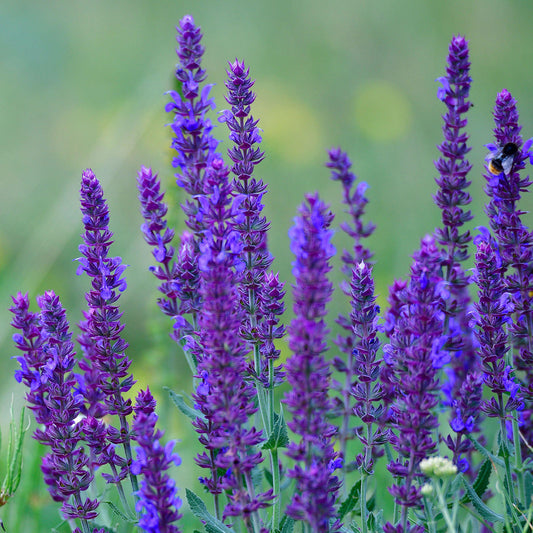
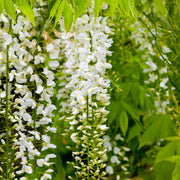
This is the pure species form of the Silky Wisteria, celebrated for its heavily scented, short but incredibly broad violet flower clusters. Its leaves are noticeably softer and downier than the Chinese or Japanese types. It is slightly less aggressive vertically, naturally wanting to form a sprawling, shrubby mound if left unsupported.
To care for this vine, take advantage of its shorter habit by planting it against lower boundary walls or training it as a stunning, free-standing standard. It demands excellent drainage and will suffer in heavy, wet clay. Keep the roots cool with a thick layer of mulch, but let the top vines bake in the full sun. Prune twice a year to maintain your desired shape and force the heavy bud sets.
Please Note: When purchasing plants, please consider that each live item is unique and may therefore differ from the images shown, which are for illustration purposes only. The plant will be supplied in a growers pot. Depending on season, some plants may be pruned back to encourage growth and deciduous plants may arrive without leaves.
Japanese Wisteria
Wisteria brachybotrys
Wisteria brachybotrys
Product description
This is the pure species form of the Silky Wisteria, celebrated for its heavily scented, short but incredibly broad violet flower clusters. Its leaves are noticeably softer and downier than the Chinese or Japanese types. It is slightly less aggressive vertically, naturally wanting to form a sprawling, shrubby mound if left unsupported.
To care for this vine, take advantage of its shorter habit by planting it against lower boundary walls or training it as a stunning, free-standing standard. It demands excellent drainage and will suffer in heavy, wet clay. Keep the roots cool with a thick layer of mulch, but let the top vines bake in the full sun. Prune twice a year to maintain your desired shape and force the heavy bud sets.
Please Note: When purchasing plants, please consider that each live item is unique and may therefore differ from the images shown, which are for illustration purposes only. The plant will be supplied in a growers pot. Depending on season, some plants may be pruned back to encourage growth and deciduous plants may arrive without leaves.
Give your plants the best start

Plant Feed
Rootgrow Mycorrhizal Fungi
60g
£5.99
Add to basket


Gardening Supplies
RocketGro Multi Purpose Compost
50L
£13.99
Add to basket

Garden Plant Size Guide

Plants in larger pots can be multiple years older than their smaller counterparts with more mature root systems and foliage. This makes them able to thrive as a full size plant in your garden quicker than smaller alternatives.
The most common size of pot that garden plants come in are 9cm/1L/3L/5L this is in reference to the diameter at the top of the pot.
9cm potted plants still remain the most popular cost effective option though, they just may take a little patience to allow them to grow into full maturity once planted in your garden.

Plant specs, care guide & tips
Key features


When to plant
| Jan | Feb | Mar | Apr | May | Jun | Jul | Aug | Sep | Oct | Nov | Dec |
|---|---|---|---|---|---|---|---|---|---|---|---|
Planting and period of interest times are general guidelines and may vary based on your location and conditions. For best results, consult local gardening resources.
Instructions
Top Tip
Wisteria brachybotrys has a naturally shrubbier, shorter-climbing habit than the others. This makes it the absolute best candidate on your list if you want to train a free-standing, umbrella-shaped Wisteria "tree" in the middle of a lawn.
How to Water
To water Wisteria brachybotrys, soak deeply once a week in year one to build strong roots. Once mature, let the topsoil dry out, but keep it moist while its short perfumed tassels develop. Always water the base.
How to Plant
To plant Wisteria brachybotrys, dig a hole twice as wide as the rootball but exactly the same depth. Enrich the excavated soil with a generous scoop of compost to ensure a nutrient-rich loam. Place the vine in the hole, making absolutely sure the knobbly graft union sits safely above the soil line. Backfill firmly, anchor the shorter stems to your chosen support, and water deeply to settle the roots.