Product description
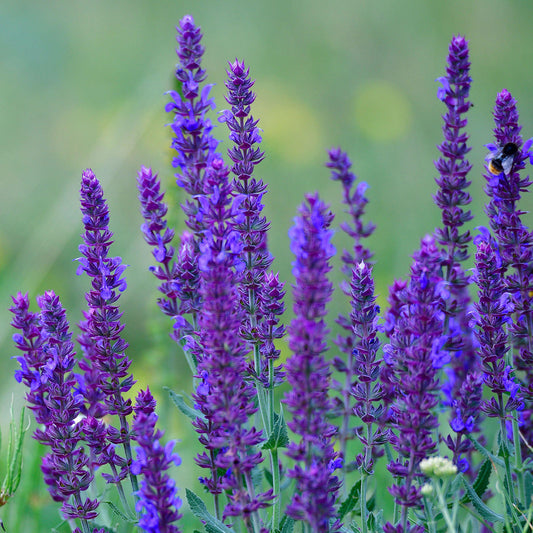
'Ludwig Spath' is an outstanding, late-flowering Lilac variety known for its incredibly long, slender panicles of highly fragrant, single, dark reddish-purple flowers. Because it blooms slightly later than many other French Lilacs, it is fantastic for extending the lilac season and bridging the gap between spring and summer blooming shrubs.
Plant this variety in full sun and ensure the soil is moderately fertile and well-drained. Minimal pruning is required other than the immediate removal of faded flower heads and the occasional thinning of congested interior branches to allow light and air to penetrate the centre of the shrub.
Please Note: When purchasing plants, please consider that each live item is unique and may therefore differ from the images shown, which are for illustration purposes only. The plant will be supplied in a growers pot. Depending on season, some plants may be pruned back to encourage growth and deciduous plants may arrive without leaves.
Common Lilac
Syringa 'Ludwig Spath'
Syringa 'Ludwig Spath'
Plant more, save more
Product description
'Ludwig Spath' is an outstanding, late-flowering Lilac variety known for its incredibly long, slender panicles of highly fragrant, single, dark reddish-purple flowers. Because it blooms slightly later than many other French Lilacs, it is fantastic for extending the lilac season and bridging the gap between spring and summer blooming shrubs.
Plant this variety in full sun and ensure the soil is moderately fertile and well-drained. Minimal pruning is required other than the immediate removal of faded flower heads and the occasional thinning of congested interior branches to allow light and air to penetrate the centre of the shrub.
Please Note: When purchasing plants, please consider that each live item is unique and may therefore differ from the images shown, which are for illustration purposes only. The plant will be supplied in a growers pot. Depending on season, some plants may be pruned back to encourage growth and deciduous plants may arrive without leaves.
Give your plants the best start

Plant Feed
Rootgrow Mycorrhizal Fungi
60g
£5.99
Add to basket
Garden Plant Size Guide

Plants in larger pots can be multiple years older than their smaller counterparts with more mature root systems and foliage. This makes them able to thrive as a full size plant in your garden quicker than smaller alternatives.
The most common size of pot that garden plants come in are 9cm/1L/3L/5L this is in reference to the diameter at the top of the pot.
9cm potted plants still remain the most popular cost effective option though, they just may take a little patience to allow them to grow into full maturity once planted in your garden.


Plant specs, care guide & tips
Key features


When to plant
| Jan | Feb | Mar | Apr | May | Jun | Jul | Aug | Sep | Oct | Nov | Dec |
|---|---|---|---|---|---|---|---|---|---|---|---|
Planting and period of interest times are general guidelines and may vary based on your location and conditions. For best results, consult local gardening resources.
Instructions
Top Tip
Syringa will constantly send up unwanted, leafy shoots (suckers) from their roots; you must aggressively chop these suckers completely off at the base several times a year to force the plant to push its energy into the main flowering branches.
How to Water
Water Syringa deeply at the base to reach their large root systems. Keep soil consistently moist but well-drained; they hate "wet feet." Mature plants are somewhat drought-tolerant but need extra water during dry summer spells.
How to Plant
Syringa plants demand neutral to alkaline (sweet) soil to thrive, so dig a wide hole and mix in a generous handful of garden lime if your earth naturally leans acidic. Plant them slightly high, ensuring the root flare sits a few inches above the soil level to prevent bark rot.