Product description
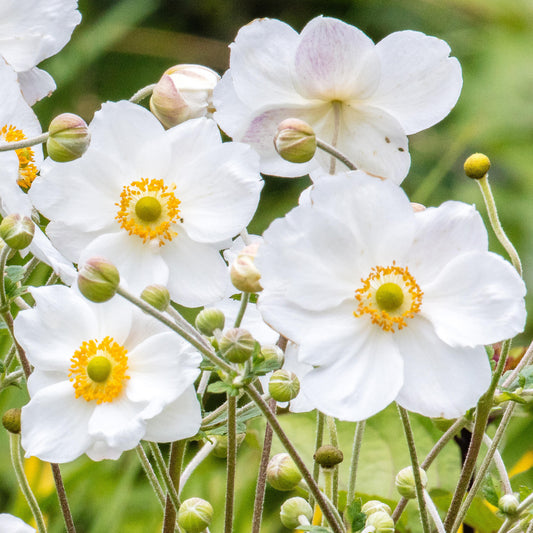
Offering elegant, creamy-white daisy petals centred with bright, prominent golden discs, this selection brings a much softer, more refined visual aesthetic to the rugged chamomile family. The finely divided, highly aromatic leaves provide excellent, soft textural interest in the border even when the plant is entirely devoid of flowers. Its naturally spreading, mound-forming habit makes it an exceptional choice for softening the hard edges of retaining walls, gravel gardens, or dry rockeries.
You can virtually guarantee this plant's long-term survival by mixing several generous scoops of coarse horticultural grit or sharp sand directly into the planting hole, as this species demands flawless, rapid drainage to prevent devastating winter crown rot. It will completely despise sitting in cold, wet, heavy earth during the dormant season. To keep the mound looking tidy and continuously productive, take a few minutes each week to snip away the spent flower heads, and consider propagating new baby plants by taking small basal cuttings from the new growth in the spring.
Please Note: When purchasing plants, please consider that each live item is unique and may therefore differ from the images shown, which are for illustration purposes only. The plant will be supplied in a growers pot. Depending on season, some plants may be pruned back to encourage growth and deciduous plants may arrive without leaves.
Chamomile
Anthemis 'Sauce Hollandaise'
Anthemis 'Sauce Hollandaise'
Product description
Offering elegant, creamy-white daisy petals centred with bright, prominent golden discs, this selection brings a much softer, more refined visual aesthetic to the rugged chamomile family. The finely divided, highly aromatic leaves provide excellent, soft textural interest in the border even when the plant is entirely devoid of flowers. Its naturally spreading, mound-forming habit makes it an exceptional choice for softening the hard edges of retaining walls, gravel gardens, or dry rockeries.
You can virtually guarantee this plant's long-term survival by mixing several generous scoops of coarse horticultural grit or sharp sand directly into the planting hole, as this species demands flawless, rapid drainage to prevent devastating winter crown rot. It will completely despise sitting in cold, wet, heavy earth during the dormant season. To keep the mound looking tidy and continuously productive, take a few minutes each week to snip away the spent flower heads, and consider propagating new baby plants by taking small basal cuttings from the new growth in the spring.
Please Note: When purchasing plants, please consider that each live item is unique and may therefore differ from the images shown, which are for illustration purposes only. The plant will be supplied in a growers pot. Depending on season, some plants may be pruned back to encourage growth and deciduous plants may arrive without leaves.
Give your plants the best start


Garden Plant Size Guide

Plants in larger pots can be multiple years older than their smaller counterparts with more mature root systems and foliage. This makes them able to thrive as a full size plant in your garden quicker than smaller alternatives.
The most common size of pot that garden plants come in are 9cm/1L/3L/5L this is in reference to the diameter at the top of the pot.
9cm potted plants still remain the most popular cost effective option though, they just may take a little patience to allow them to grow into full maturity once planted in your garden.


Plant specs, care guide & tips
Key features


Specifications
When to plant
| Jan | Feb | Mar | Apr | May | Jun | Jul | Aug | Sep | Oct | Nov | Dec |
|---|---|---|---|---|---|---|---|---|---|---|---|
Planting and period of interest times are general guidelines and may vary based on your location and conditions. For best results, consult local gardening resources.
Instructions
Top Tip
Take basal cuttings from the soft new growth to easily propagate exact clones of this creamy variety. Rooting these cuttings in a mix of perlite and compost provides free replacement plants. Dividing the mature clump every three years keeps the center of the Anthemis Sauce Hollandaise from becoming woody and unproductive.
How to Water
Let the surrounding earth dry out almost completely before reaching for the watering can. Provide a very thorough soaking when you do decide to irrigate the Anthemis Sauce Hollandaise. This infrequent but deep watering strategy perfectly mimics its native, arid environment.
How to Plant
Incorporate a large bucket of coarse gravel into the planting site to guarantee rapid drainage. Position the Anthemis Sauce Hallandaise so it sits slightly higher than the surrounding soil line to prevent crown rot. Gently firm the gravelly soil around the base to keep it upright.