Product description
The Firethorn is very popular due to its fire-red berries which populate the plant during the warmer summer season to autumn and winter months. These berries develop after spring flowerings of delightfully fragrant, white blossoms.
When planted with the intention for a hedge row or perimeter foliage, the plant offers privacy through its dense groupings of elongated oval leaves, branches and thorns. It is important to be weary of a variety of pests which may attack the Pyracantha shrub, this includes aphids, caterpillars, scaling and moths which consume the leaves.
A recommended pattern or trimming in order to maintain its preferred hedge shape, is to trim 2-3 times during the late-spring and summer months, taking care to best avoid the berries, although some will of course unavoidably be cut in order to maintain the hedge shape.
Firethorn “Red Column” shrubs are often planted in combination with other similar varieties because of the complimentary fire colours of the berries, including yellow and orange.
Create a beautiful privacy hedge row by using this dense evergreen shrub.
Red Firethorn
Pyracantha 'Red Column'
Pyracantha 'Red Column'
Plant more, save more
Product description
The Firethorn is very popular due to its fire-red berries which populate the plant during the warmer summer season to autumn and winter months. These berries develop after spring flowerings of delightfully fragrant, white blossoms.
When planted with the intention for a hedge row or perimeter foliage, the plant offers privacy through its dense groupings of elongated oval leaves, branches and thorns. It is important to be weary of a variety of pests which may attack the Pyracantha shrub, this includes aphids, caterpillars, scaling and moths which consume the leaves.
A recommended pattern or trimming in order to maintain its preferred hedge shape, is to trim 2-3 times during the late-spring and summer months, taking care to best avoid the berries, although some will of course unavoidably be cut in order to maintain the hedge shape.
Firethorn “Red Column” shrubs are often planted in combination with other similar varieties because of the complimentary fire colours of the berries, including yellow and orange.
Create a beautiful privacy hedge row by using this dense evergreen shrub.
Give your plants the best start

Plant Feed
Rootgrow Mycorrhizal Fungi
60g
£5.99
Add to basket


Gardening Supplies
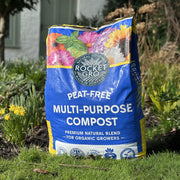
RocketGro Multi Purpose Compost
50L
£13.99
Add to basket
Garden Plant Size Guide

Plants in larger pots can be multiple years older than their smaller counterparts with more mature root systems and foliage. This makes them able to thrive as a full size plant in your garden quicker than smaller alternatives.
The most common size of pot that garden plants come in are 9cm/1L/3L/5L this is in reference to the diameter at the top of the pot.
9cm potted plants still remain the most popular cost effective option though, they just may take a little patience to allow them to grow into full maturity once planted in your garden.


Plant specs, care guide & tips
Key features


When to plant
| Jan | Feb | Mar | Apr | May | Jun | Jul | Aug | Sep | Oct | Nov | Dec |
|---|---|---|---|---|---|---|---|---|---|---|---|
Planting and period of interest times are general guidelines and may vary based on your location and conditions. For best results, consult local gardening resources.
Instructions
Top Tip
Train Pyracantha against walls or fences by tying young branches to supports; this enhances its structure and encourages dense growth.
How to Water
Water Pyracantha deeply after planting and regularly during the first growing season to establish roots. Once established, water only during dry periods, ensuring the soil doesn’t become overly saturated.
How to Plant
Plant Pyracantha in well-drained, fertile soil in a sunny or partially shaded location. Dig a hole twice the width of the root ball, place the plant, and backfill with soil. Firm gently and water well. Space plants 60-90cm apart for hedges or as desired for individual growth.