Product description
Better known as Switch Grass, Panicum ‘Rotstrahlbusch’ is a striking ornamental grass that brings colour, texture, and movement to the garden. Its upright habit produces narrow green leaves that gradually take on rich red tones as the season progresses, creating a dramatic contrast in borders, mixed beds, and patio containers. In late summer, airy flower panicles rise above the foliage, catching the light and adding a soft, graceful touch to planting schemes. Compact yet impactful, this grass is perfect for modern landscapes, prairie style planting, or as a bold accent in smaller spaces.
Hardy and dependable, Panicum ‘Rotstrahlbusch’ thrives in full sun and well drained soil, requiring minimal maintenance to perform year after year. Regular watering during dry spells will keep the foliage fresh, while light pruning in spring helps maintain its neat shape and encourages strong new growth. With its extended season of interest, vibrant autumn colour, and reliable performance, this ornamental grass is a practical and stylish choice for gardeners looking to add structure, seasonal beauty, and pollinator friendly charm to their outdoor spaces.
Please Note: When purchasing plants, please consider that each live item is unique and may therefore differ from the images shown, which are for illustration purposes only. The plant will be supplied in a growers pot. Depending on season, some plants may be pruned back to encourage growth and deciduous plants may arrive without leaves.
Switchgrass
Panicum 'Rotstrahlbusch'
Panicum 'Rotstrahlbusch'
Product description
Better known as Switch Grass, Panicum ‘Rotstrahlbusch’ is a striking ornamental grass that brings colour, texture, and movement to the garden. Its upright habit produces narrow green leaves that gradually take on rich red tones as the season progresses, creating a dramatic contrast in borders, mixed beds, and patio containers. In late summer, airy flower panicles rise above the foliage, catching the light and adding a soft, graceful touch to planting schemes. Compact yet impactful, this grass is perfect for modern landscapes, prairie style planting, or as a bold accent in smaller spaces.
Hardy and dependable, Panicum ‘Rotstrahlbusch’ thrives in full sun and well drained soil, requiring minimal maintenance to perform year after year. Regular watering during dry spells will keep the foliage fresh, while light pruning in spring helps maintain its neat shape and encourages strong new growth. With its extended season of interest, vibrant autumn colour, and reliable performance, this ornamental grass is a practical and stylish choice for gardeners looking to add structure, seasonal beauty, and pollinator friendly charm to their outdoor spaces.
Please Note: When purchasing plants, please consider that each live item is unique and may therefore differ from the images shown, which are for illustration purposes only. The plant will be supplied in a growers pot. Depending on season, some plants may be pruned back to encourage growth and deciduous plants may arrive without leaves.
Give your plants the best start

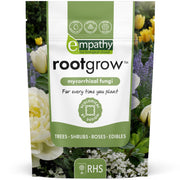
Plant Feed
Rootgrow Mycorrhizal Fungi
60g
£5.99
Add to basket

Gardening Supplies
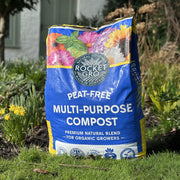
RocketGro Multi Purpose Compost
50L
£13.99
Add to basket


Garden Plant Size Guide

Plants in larger pots can be multiple years older than their smaller counterparts with more mature root systems and foliage. This makes them able to thrive as a full size plant in your garden quicker than smaller alternatives.
The most common size of pot that garden plants come in are 9cm/1L/3L/5L this is in reference to the diameter at the top of the pot.
9cm potted plants still remain the most popular cost effective option though, they just may take a little patience to allow them to grow into full maturity once planted in your garden.


Plant specs, care guide & tips
Key features


Specifications
When to plant
| Jan | Feb | Mar | Apr | May | Jun | Jul | Aug | Sep | Oct | Nov | Dec |
|---|---|---|---|---|---|---|---|---|---|---|---|
Planting and period of interest times are general guidelines and may vary based on your location and conditions. For best results, consult local gardening resources.
Instructions
Top Tip
Protect hydrangeas in winter by adding a thick layer of mulch around the base to insulate the roots. In colder climates, cover the plant with burlap or a frost blanket to shield it from freezing temperatures and harsh winds.
How to Water
Water hydrangeas deeply, keeping the soil consistently moist, especially during dry periods. Avoid overhead watering to prevent fungal issues. Water at the base early in the morning or late in the evening, and mulch to help retain moisture.
How to Plant
Choose a spot with morning sun and afternoon shade, and well-draining, moist soil. Dig a hole twice as wide and just as deep as the root ball. Place the plant, backfill with soil, firm gently, and water well. Mulch around the base to retain moisture.