Product description
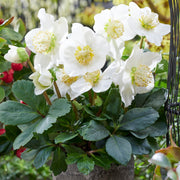
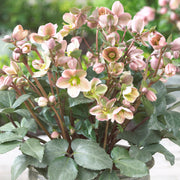
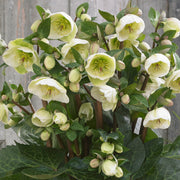
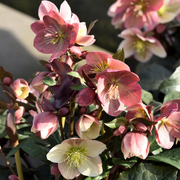
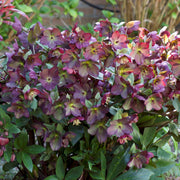
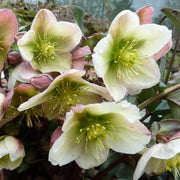
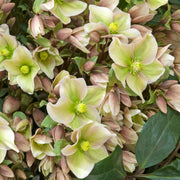
Helleborus Pippa's Purple has plenty to offer beyond its flowers, combining rich purple-pink blooms with unusual marbled foliage. The large, cup-shaped flowers open above deeply divided leaves, with pale centres providing a subtle contrast against the darker petals. Flowering from late winter into spring, this hardy Lenten Rose brings colour to the garden early in the year, while the foliage continues to provide interest as the seasons progress.
Partial or dappled shade suits Helleborus particularly well, along with fertile, well-drained soil that retains some moisture. Its semi-evergreen foliage stays fresh throughout the year, giving the plant a strong presence even when it is not in flower. Once established, it needs relatively little attention beyond watering during prolonged dry spells, while removing older or damaged leaves as the new flowers emerge helps keep the clump looking its best.
Please Note: When purchasing plants, please consider that each live item is unique and may therefore differ from the images shown, which are for illustration purposes only. The plant will be supplied in a growers pot. Depending on season, some plants may be pruned back to encourage growth and deciduous plants may arrive without leaves.
Lenten Rose
Helleborus 'Pippa's Purple'
Helleborus 'Pippa's Purple'
Plant more, save more
Product description
Helleborus Pippa's Purple has plenty to offer beyond its flowers, combining rich purple-pink blooms with unusual marbled foliage. The large, cup-shaped flowers open above deeply divided leaves, with pale centres providing a subtle contrast against the darker petals. Flowering from late winter into spring, this hardy Lenten Rose brings colour to the garden early in the year, while the foliage continues to provide interest as the seasons progress.
Partial or dappled shade suits Helleborus particularly well, along with fertile, well-drained soil that retains some moisture. Its semi-evergreen foliage stays fresh throughout the year, giving the plant a strong presence even when it is not in flower. Once established, it needs relatively little attention beyond watering during prolonged dry spells, while removing older or damaged leaves as the new flowers emerge helps keep the clump looking its best.
Please Note: When purchasing plants, please consider that each live item is unique and may therefore differ from the images shown, which are for illustration purposes only. The plant will be supplied in a growers pot. Depending on season, some plants may be pruned back to encourage growth and deciduous plants may arrive without leaves.
Give your plants the best start

Plant Feed
Rootgrow Mycorrhizal Fungi
60g
£5.99
Add to basket
Garden Plant Size Guide

Plants in larger pots can be multiple years older than their smaller counterparts with more mature root systems and foliage. This makes them able to thrive as a full size plant in your garden quicker than smaller alternatives.
The most common size of pot that garden plants come in are 9cm/1L/3L/5L this is in reference to the diameter at the top of the pot.
9cm potted plants still remain the most popular cost effective option though, they just may take a little patience to allow them to grow into full maturity once planted in your garden.
Plant specs, care guide & tips
Key features


Specifications
When to plant
| Jan | Feb | Mar | Apr | May | Jun | Jul | Aug | Sep | Oct | Nov | Dec |
|---|---|---|---|---|---|---|---|---|---|---|---|
Planting and period of interest times are general guidelines and may vary based on your location and conditions. For best results, consult local gardening resources.
Instructions
Top Tip
Leave a few flowers to develop seedheads if you want to encourage seedlings. Once flowering has finished, allow selected blooms to remain rather than deadheading everything. Helleborus can self-seed around established plants, providing new seedlings that can be allowed to develop naturally or moved to another suitable spot in the garden.
How to Water
Keep Helleborus well watered while it establishes, particularly during warm or dry periods. Once settled, it is fairly self-sufficient, but water thoroughly if the soil becomes noticeably dry, taking care not to leave the roots sitting in waterlogged conditions.
How to Plant
Choose a position in partial or dappled shade with fertile, well-drained soil, then dig a hole slightly wider than the root ball. Set Helleborus at the same depth as it was growing in its pot, backfill with soil, firm gently around the base, and water thoroughly to help it settle.