Product description
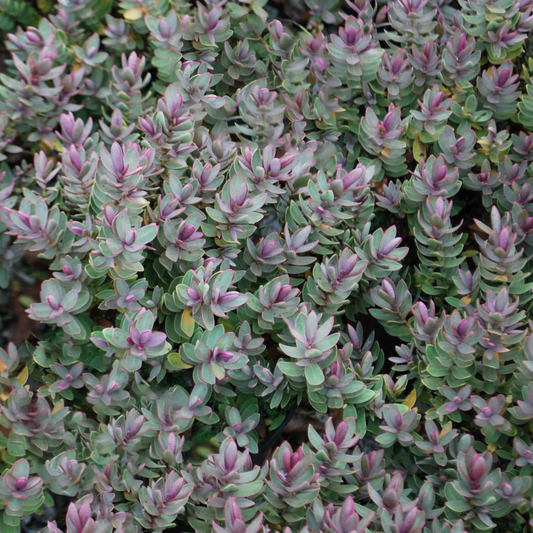
Sage Purple is a striking ornamental and culinary variety cultivated for the rich, savoury flavour found in its velvety, purple-tinged leaves. This robust taste, which is just as potent as the common green variety, is released when the leaves are chopped or fried, making it a classic accompaniment specifically for fatty meats like pork, duck, and sausages, as well as essential for stuffing. Beyond the kitchen, it is traditionally valued for its medicinal properties, often used in teas to soothe sore throats due to its natural antiseptic qualities.
This plant is typically grown as a hardy, evergreen sub-shrub that adds dramatic colour contrast to the herb garden with its dark, moody foliage. It is generally tough and frost-tolerant, though it dislikes wet winters. For the best results and deepest purple colouration, plant it in a location with full sun. It is highly drought-tolerant once established and demands free-draining soil, as it will quickly succumb to rot if left sitting in cold, waterlogged ground.
Please Note: When purchasing plants please consider that each live item is unique and may therefore differ from the images shown, which are for illustration purposes only - The plant will be supplied in a growers pot.
Purple Sage
Sage Purple
Sage Purple
Plant more, save more
Product description
Sage Purple is a striking ornamental and culinary variety cultivated for the rich, savoury flavour found in its velvety, purple-tinged leaves. This robust taste, which is just as potent as the common green variety, is released when the leaves are chopped or fried, making it a classic accompaniment specifically for fatty meats like pork, duck, and sausages, as well as essential for stuffing. Beyond the kitchen, it is traditionally valued for its medicinal properties, often used in teas to soothe sore throats due to its natural antiseptic qualities.
This plant is typically grown as a hardy, evergreen sub-shrub that adds dramatic colour contrast to the herb garden with its dark, moody foliage. It is generally tough and frost-tolerant, though it dislikes wet winters. For the best results and deepest purple colouration, plant it in a location with full sun. It is highly drought-tolerant once established and demands free-draining soil, as it will quickly succumb to rot if left sitting in cold, waterlogged ground.
Please Note: When purchasing plants please consider that each live item is unique and may therefore differ from the images shown, which are for illustration purposes only - The plant will be supplied in a growers pot.
Give your plants the best start


Garden Plant Size Guide

Plants in larger pots can be multiple years older than their smaller counterparts with more mature root systems and foliage. This makes them able to thrive as a full size plant in your garden quicker than smaller alternatives.
The most common size of pot that garden plants come in are 9cm/1L/3L/5L this is in reference to the diameter at the top of the pot.
9cm potted plants still remain the most popular cost effective option though, they just may take a little patience to allow them to grow into full maturity once planted in your garden.
Plant specs, care guide & tips
Key features


When to plant
| Jan | Feb | Mar | Apr | May | Jun | Jul | Aug | Sep | Oct | Nov | Dec |
|---|---|---|---|---|---|---|---|---|---|---|---|
Planting and period of interest times are general guidelines and may vary based on your location and conditions. For best results, consult local gardening resources.
Instructions
Top Tip
Sage Purple is a woody sub-shrub that can get leggy and bare at the base if neglected. To keep it bushy and producing fresh purple leaves, prune it hard in early spring just as new growth begins to appear. However, never cut back into the old, dead-looking wood, as it likely won't resprout.
How to Water
Water young plants regularly to help them establish their root systems. Once mature, Sage Purple is extremely drought-tolerant and hates sitting in wet soil. Only water during prolonged dry spells, allowing the compost or ground to dry out thoroughly between soakings.
How to Plant
Choose a warm, sunny site with excellent drainage for Sage Purple. If your soil is heavy clay, mix in plenty of horticultural grit or plant it in a raised bed. Ensure the plant is positioned at the same depth as it was in its pot, taking care not to bury the woody stems too deep.