Product description
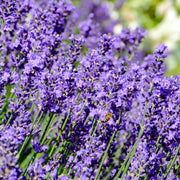
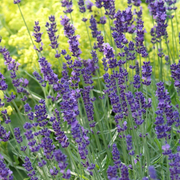
Lavender angustifolia (Mix) is a classic garden favourite cherished for its highly aromatic silver-grey foliage and spikes of fragrant flowers in varying shades of blue, violet, and deep purple. The blooms are rich in essential oils and nectar, making them a magnet for bees and butterflies. At the same time, the dried flower buds are extensively used in potpourri, scent sachets, and culinary baking to impart a floral, sweet flavour.
This hardy, woody perennial grows as a compact, rounded shrub that loves a sunny, open position with sharp drainage to thrive. It is extremely drought-tolerant once established and resents wet roots, so it performs best in poor, gritty soil or containers. To maintain a neat, bushy shape and prevent the plant from becoming woody and leggy, it requires pruning annually immediately after flowering.
Please Note: When purchasing plants please consider that each live item is unique and may therefore differ from the images shown, which are for illustration purposes only - These plants will be supplied in a carry pack.
English Lavender
Lavender angustifolia Mix
Lavender angustifolia Mix
Product description
Lavender angustifolia (Mix) is a classic garden favourite cherished for its highly aromatic silver-grey foliage and spikes of fragrant flowers in varying shades of blue, violet, and deep purple. The blooms are rich in essential oils and nectar, making them a magnet for bees and butterflies. At the same time, the dried flower buds are extensively used in potpourri, scent sachets, and culinary baking to impart a floral, sweet flavour.
This hardy, woody perennial grows as a compact, rounded shrub that loves a sunny, open position with sharp drainage to thrive. It is extremely drought-tolerant once established and resents wet roots, so it performs best in poor, gritty soil or containers. To maintain a neat, bushy shape and prevent the plant from becoming woody and leggy, it requires pruning annually immediately after flowering.
Please Note: When purchasing plants please consider that each live item is unique and may therefore differ from the images shown, which are for illustration purposes only - These plants will be supplied in a carry pack.
Give your plants the best start


Garden Plant Size Guide

Plants in larger pots can be multiple years older than their smaller counterparts with more mature root systems and foliage. This makes them able to thrive as a full size plant in your garden quicker than smaller alternatives.
The most common size of pot that garden plants come in are 9cm/1L/3L/5L this is in reference to the diameter at the top of the pot.
9cm potted plants still remain the most popular cost effective option though, they just may take a little patience to allow them to grow into full maturity once planted in your garden.
Plant specs, care guide & tips
Key features


When to plant
| Jan | Feb | Mar | Apr | May | Jun | Jul | Aug | Sep | Oct | Nov | Dec |
|---|---|---|---|---|---|---|---|---|---|---|---|
Planting and period of interest times are general guidelines and may vary based on your location and conditions. For best results, consult local gardening resources.
Instructions
Top Tip
To prolong the life of Lavender angustifolia and prevent it from becoming woody and leggy, give it a firm prune every year immediately after flowering. However, never cut back into the old, bare brown wood as the plant cannot regenerate from these parts and will likely die.
How to Water
Water young Lavender angustifolia plants regularly during their first summer to help them establish their root systems, but reduce watering significantly once they mature. Established lavender is highly drought-tolerant and hates "wet feet," so allow the soil to dry out completely between waterings to prevent root rot.
How to Plant
Select a spot in full sun for Lavender angustifolia with poor, free-draining soil, mixing in plenty of horticultural grit or gravel if your ground is heavy or clay-based. Plant the root ball slightly higher than the surrounding soil surface to improve drainage around the woody crown and ensure good air circulation.