Product description
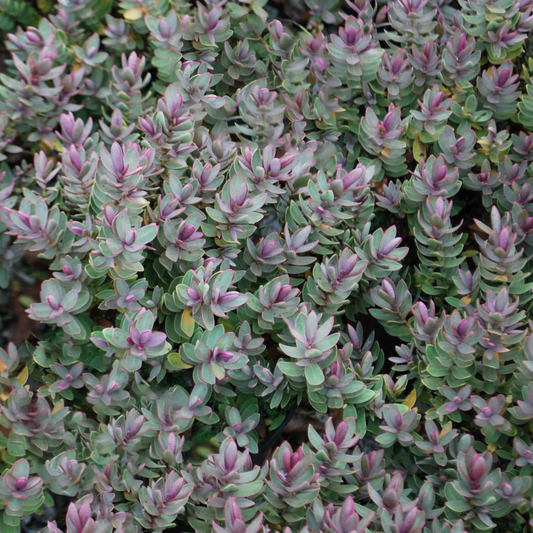
Greek Basil is a compact culinary herb cultivated primarily for the intense, spicy clove-anise fragrance found in its tiny, pointed leaves. This concentrated flavour is packed into a small package and is released when the leaves are brushed or sprinkled whole onto dishes. It is traditionally used as a decorative and edible garnish for tomato dishes, salads, and pasta, favoured as much for its perfect spherical growth habit as for its taste.
This plant is typically grown as a tender annual that forms a tight, ball-shaped bush. It is highly susceptible to cold and will blacken and die at the slightest hint of frost. For the best results and tightest shape, plant it in a location with full sun and shelter from wind. It is not drought-tolerant and needs fertile, well-drained soil that is kept consistently moist but not waterlogged.
Please Note: When purchasing plants please consider that each live item is unique and may therefore differ from the images shown, which are for illustration purposes only - The plant will be supplied in a growers pot.
Vasilikos
Basil Greek
Basil Greek
Plant more, save more
Product description
Greek Basil is a compact culinary herb cultivated primarily for the intense, spicy clove-anise fragrance found in its tiny, pointed leaves. This concentrated flavour is packed into a small package and is released when the leaves are brushed or sprinkled whole onto dishes. It is traditionally used as a decorative and edible garnish for tomato dishes, salads, and pasta, favoured as much for its perfect spherical growth habit as for its taste.
This plant is typically grown as a tender annual that forms a tight, ball-shaped bush. It is highly susceptible to cold and will blacken and die at the slightest hint of frost. For the best results and tightest shape, plant it in a location with full sun and shelter from wind. It is not drought-tolerant and needs fertile, well-drained soil that is kept consistently moist but not waterlogged.
Please Note: When purchasing plants please consider that each live item is unique and may therefore differ from the images shown, which are for illustration purposes only - The plant will be supplied in a growers pot.
Give your plants the best start


Garden Plant Size Guide

Plants in larger pots can be multiple years older than their smaller counterparts with more mature root systems and foliage. This makes them able to thrive as a full size plant in your garden quicker than smaller alternatives.
The most common size of pot that garden plants come in are 9cm/1L/3L/5L this is in reference to the diameter at the top of the pot.
9cm potted plants still remain the most popular cost effective option though, they just may take a little patience to allow them to grow into full maturity once planted in your garden.
Plant specs, care guide & tips
Key features


When to plant
| Jan | Feb | Mar | Apr | May | Jun | Jul | Aug | Sep | Oct | Nov | Dec |
|---|---|---|---|---|---|---|---|---|---|---|---|
Planting and period of interest times are general guidelines and may vary based on your location and conditions. For best results, consult local gardening resources.
Instructions
Top Tip
Greek Basil is often grown in pots on tabletops to repel flies and mosquitoes with its strong scent. Because the leaves are so small, you don't need to chop them—just sprinkle them whole over your food.
How to Water
Water Basil Greek at the base, preferably in the morning. Avoid wetting the leaves, as damp foliage makes the tight, dense structure prone to fungal diseases like botrytis.
How to Plant
Plant Greek Basil in pots or window boxes. It needs consistent warmth and drainage, so it does not tolerate heavy, cold garden soil well.